Veneers in Chisholm – Signs, Benefits & Procedure – Vogue Family Dental
Do you smile with your lips closed in photos? Do you angle your face away from the camera or hold back a laugh because of a chipped front tooth or a stain that whitening never fixed?
You’re not alone. The front six to eight teeth shape how others see your smile and how you feel about it. When small flaws build up, many people start hiding the one expression they should enjoy most.
Dental veneers are one of the most versatile options in cosmetic dentistry for changing that. At Vogue Family Dental, we help patients in Chisholm and across Canberra’s south work out whether veneers suit their teeth, their goals and their budget. This guide covers the signs, the benefits, the procedure and what to expect afterwards.
What Are Dental Veneers?
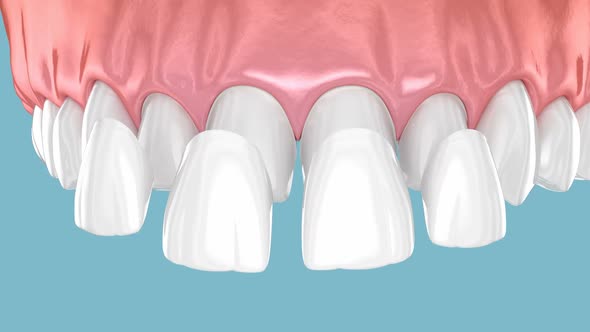
Veneers are thin, custom-made shells bonded to the front surface of your teeth. They cover the visible part of the tooth and can change its colour, shape, size or length, while the natural tooth underneath stays in place.
There are two main types.
Porcelain veneers are made in a dental lab from high-strength ceramic. Porcelain resists staining, reflects light in a similar way to natural enamel, and generally lasts longer.
Composite veneers use tooth-coloured resin that your dentist shapes directly onto the tooth, often in a single visit. They usually cost less and are easier to repair, but they may stain or wear sooner than porcelain.
Signs You Might Be a Candidate for Veneers
Veneers are not for everyone. They may be worth discussing with your dentist if you notice any of the following.
1. Stains that whitening can’t fix. Some discolouration sits inside the tooth. It can come from certain medications, too much fluoride in childhood, or an old injury. Professional whitening often can’t lift these deep stains, but a veneer can cover them.
2. Chipped or worn front teeth. Minor chips, rough edges, or teeth shortened by years of wear can make a smile look older than you are. Veneers can restore shape and length.
3. Small gaps between teeth. If you have small spaces you’d like closed without orthodontic treatment, veneers may be an option. Your dentist can tell you whether aligners would be the better choice.
4. Uneven, misshapen or undersized teeth. Teeth that are pointed, uneven in length, or smaller than their neighbours can make a smile look unbalanced. Veneers can make the proportions more even.
5. Mildly crooked teeth (in some cases). For minor alignment concerns, veneers can create the look of straighter teeth. For anything more than mild, orthodontics is usually the healthier long-term option, and we’ll tell you honestly if that applies to you.
6. You want a smile you feel confident sharing. Many patients come in before a wedding, a career change or a milestone birthday. Wanting to feel good about your smile is a valid reason to explore your options.
When Veneers May Not Be the Right Choice
Veneers need healthy teeth and gums underneath. We may recommend another treatment first, or instead, if you have:
- Active tooth decay or gum disease
- Heavy teeth grinding or clenching (bruxism), unless it’s managed with a night guard
- Teeth with large fillings or significant structural damage, where a crown may protect the tooth better
- Significant misalignment that orthodontic treatment would address better
A thorough examination is the only way to know. Starting with the right treatment protects both your results and your long-term oral health.
Benefits of Dental Veneers
A natural-looking result. Your veneers are colour-matched and shaped to suit your face, your skin tone and your other teeth.
Stain resistance. Porcelain veneers resist the everyday stains from coffee, tea and red wine better than natural enamel.
Conservative compared with crowns. Porcelain veneers usually need only a thin layer of enamel removed. Crowns need much more of the tooth reshaped.
Several concerns fixed at once. Colour, chips, gaps and shape can often be addressed in one treatment plan.
Long-lasting with good care. With good oral hygiene and regular check-ups, porcelain veneers can last many years. Composite veneers usually need touch-ups sooner.
The Veneer Procedure: Step by Step
Step 1: Consultation and Smile Assessment
Your dentist examines your teeth and gums, takes X-rays and photos if needed, and talks with you about what you’d like to change. This is also where we explain your options, likely costs and any risks, so you can decide without pressure.
Step 2: Treatment Planning
We plan the shape, length and shade of your new smile. Where possible, we’ll give you a preview so you can see the proposed result before any tooth is prepared.
Step 3: Tooth Preparation
For porcelain veneers, a very thin layer of enamel is gently removed from the front of each tooth to make room for the veneer. This usually takes less than a millimetre. Local anaesthetic keeps you comfortable. Impressions or digital scans are then sent to the dental lab, and temporary veneers may be fitted in the meantime.
For composite veneers, preparation is often minimal, and the resin is built up and sculpted in the chair.
Step 4: Bonding Your Veneers
When your porcelain veneers are ready, your dentist checks the fit and colour, then bonds each one to the tooth with a strong dental adhesive. We adjust your bite and polish the edges for a smooth, natural finish.
Step 5: Review Appointment
A short follow-up visit lets us check how your gums are responding and make sure your bite feels right.
Caring for Your Veneers
Veneers don’t need special products, but good habits help them last:
- Brush twice daily with a soft-bristled brush and non-abrasive toothpaste
- Floss or use interdental brushes every day
- Don’t bite hard objects like ice, pen caps or fingernails
- Wear a night guard if you grind your teeth
- Keep up regular check-ups and professional cleans
How Much Do Veneers Cost in Chisholm?
The cost depends on the type of veneer, how many teeth are treated, and whether any preparatory work is needed first. Porcelain generally costs more than composite, but it tends to last longer.
Some private health funds offer partial rebates on veneers under major dental extras cover, depending on your policy and waiting periods. After your consultation, we’ll give you a written, itemised quote so there are no surprises.
Frequently Asked Questions
Do veneers hurt?
Most patients have little discomfort. Local anaesthetic is used during preparation, and some people notice mild sensitivity for a few days afterwards.
Are veneers permanent?
Porcelain veneers are considered irreversible because some enamel is removed. The tooth will always need a covering. Composite veneers are often more reversible.
How long do veneers last?
It varies with the material, your habits and how well you look after them. Porcelain typically lasts longer than composite, and regular check-ups help us spot any issues early.
Can I whiten my teeth before getting veneers?
Yes, and it’s often recommended. Veneers don’t change colour with whitening, so we match them to the shade you want long term.
Veneers or crowns: which do I need?
Veneers cover the front surface of a mostly healthy tooth. Crowns cover the whole tooth and suit teeth that are heavily filled, cracked or weakened. Your dentist will recommend the option that best protects your tooth.
Book a Veneer Consultation in Chisholm
If you’ve been hiding your smile, the first step is simply a conversation. The team at Vogue Family Dental will assess your teeth, talk through your options honestly, and help you decide whether veneers suit you, with no pressure to proceed.
📍 Vogue Family Dental, Chisholm ACT
📞 [02 62915533]
Any surgical or invasive procedure carries risks. Before proceeding, you should seek a second opinion from an appropriately qualified health practitioner.
Invisalign vs Traditional Braces: Which…
Professional Teeth Whitening vs Home…
Everything You Need to Know…
When Should You Consider a…
How Teeth Whitening Can Improve…
Common Signs You Need a…
Why Early Dental Visits Matter…
How Preventive Dentistry Helps Families…