
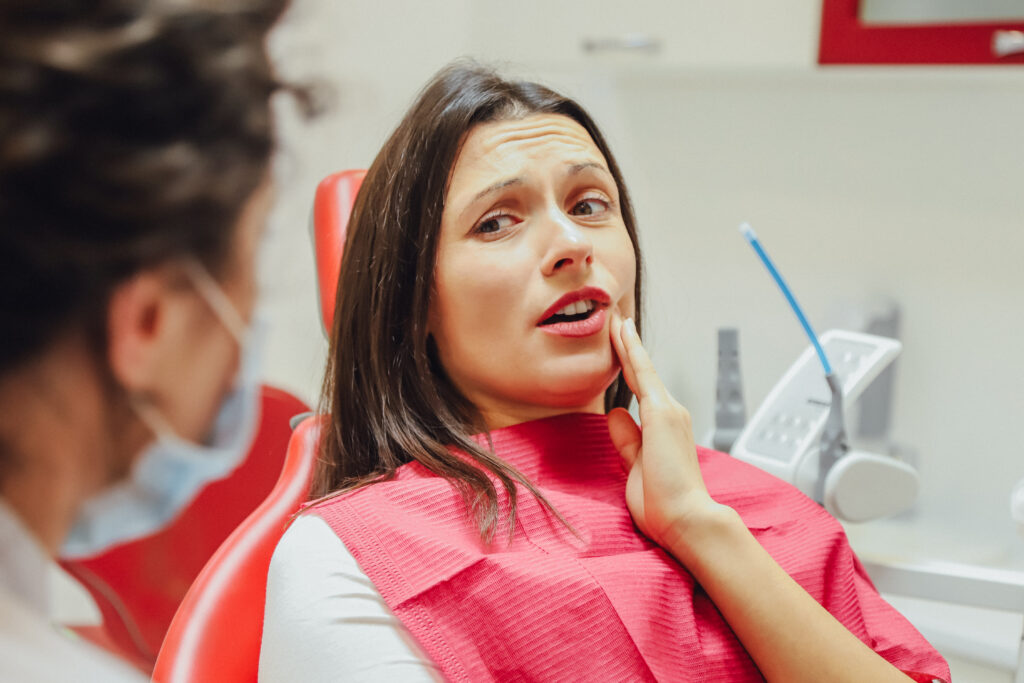
You wake up. Your jaw feels tight. There’s a dull ache behind your eyes. Your teeth feel oddly sensitive, and you haven’t even had breakfast yet.
If the situation sounds familiar, you may be grinding or clenching your teeth, a condition known as bruxism. It’s more common than most people realize, and the damage it causes builds up silently over months and years before you ever feel it.
At Vogue Family Dental in Canberra, we discuss bruxism with patients every day during consultations. The questions we hear most often are, “Why is this happening to me?” and “What can I do about it?” This guide answers both in full.
What Is Bruxism?
Bruxism is the involuntary clenching, grinding, or gnashing of teeth. It can happen while you’re awake, often during periods of intense focus or anxiety, but most commonly occurs during sleep, making it almost impossible to detect on your own.
Over hours of sustained grinding, the forces placed on teeth can exceed 100kg , far more than normal chewing. The result? Worn enamel, cracked teeth, jaw pain, headaches, and disrupted sleep, all while you thought you were resting.
One important thing to understand: bruxism is often a symptom, not the root problem itself. Treating the underlying cause, whether that’s stress, sleep issues, or something else , is just as important as protecting your teeth.
What Actually Causes Bruxism? (It’s Not Always Just Stress)
This is something we talk through carefully with every patient during a consultation. Bruxism rarely has a single cause; it’s usually a combination of factors working together. Here are the most common ones:
1. Stress & Anxiety (Most Common)
Emotional tension is the single biggest driver of bruxism. When you’re stressed, your nervous system stays in a heightened state of alert, and your jaw is one of the first places your body holds that tension. Many people clench during the day without realising it, and that pattern intensifies at night during sleep.
2. Sleep Issues
There’s a strong link between bruxism and poor sleep quality. Patients who snore, wake frequently during the night, or have been diagnosed with sleep apnea are significantly more likely to grind their teeth. Sleep apnea in particular , where breathing repeatedly stops and starts , is closely associated with nighttime grinding, and addressing the airway issue often reduces bruxism as a result.
3. Bite & Teeth Alignment Problems
Uneven bite contacts, missing teeth, or dental interferences can contribute to grinding as the jaw searches for a comfortable resting position. While bite issues are less often the primary cause than stress, they can amplify the problem , particularly if existing crowns or fillings have altered your bite slightly.
4. Lifestyle Factors
What you consume has a direct impact on how much you grind. The following are known triggers:
• High caffeine intake, especially in the afternoon or evening
• Alcohol disrupts deep sleep and increases muscle activity overnight
• Smoking and nicotine, stimulants that heighten nervous system arousal
• Recreational stimulants , significantly increase grinding risk
5. Certain Medications
Some antidepressants (particularly SSRIs) and stimulant medications are associated with increased grinding as a side effect. If you’ve started a new medication and noticed jaw pain or headaches, it’s worth mentioning to both your dentist and prescribing doctor.
6. Personality & Behaviour Traits
People who are highly driven, perfectionistic, or tend to internalise stress are disproportionately affected by bruxism. If you’re the type who holds tension in your body, pushes through pressure, or rarely truly switches off , your jaw may be quietly paying the price.
7. Daytime Clenching Habit
Many patients are surprised to learn they clench during the day without realizing it. It commonly happens during:
• Driving or commuting
• Focused desk work or meetings
• Gym training or physical exertion
• Scrolling on a phone or working at a computer
A simple technique: “Lips together, teeth apart.” Make it a habit to check in throughout the day , your teeth should only be touching when you’re actively chewing.
8. Children & Bruxism
Bruxism isn’t just an adult issue. Children can grind during growth phases, while teething, if they have airway or breathing difficulties, or in response to stress. If you notice your child waking with jaw pain or you can hear grinding at night, it’s worth having them assessed , early intervention is straightforward and highly effective.
Warning Signs You May Have Bruxism
You don’t need to catch yourself grinding to know it’s happening. Your body leaves clear signals. Watch for these:
• Jaw soreness or aching, especially in the morning
• Headaches on waking, particularly around the temples
• Worn, flattened, chipped, or cracked teeth
• Increased tooth sensitivity to hot, cold, or sweets
• Tight or fatigued jaw muscles
• Clicking or popping in the jaw joint (TMJ)
• Poor or restless sleep despite adequate hours in bed
The Silent Damage: What’s Happening Inside Your Mouth
Here’s what makes bruxism so insidious: it doesn’t hurt in the moment. You’re asleep. You feel nothing. But the damage accumulates quietly over months and years.
Enamel Erosion
Enamel is the hardest substance in the body , but it doesn’t regenerate once lost. Chronic grinding gradually strips it flat, shortening teeth and causing permanent sensitivity.
Cracked and Fractured Teeth
Repeated pressure weakens the internal structure of teeth over time. A tooth that’s been under grinding stress for months can crack from something as minor as biting into bread. What a night guard could have prevented may now require a crown , or extraction.
TMJ Disorders
The temporomandibular joint connects your jaw to your skull. Prolonged grinding strains this joint, leading to pain, restricted movement, earaches, and neck tension. Left untreated, TMJ disorders can significantly impact daily life.
Treatment Options at Vogue Family Dental
There’s no single solution that works for everyone; the right treatment depends on what’s driving your bruxism. During a consultation, we assess your symptoms, examine wear patterns, and discuss your lifestyle to recommend the most appropriate path forward. Here are the main options we offer:
Custom Night Guard (Occlusal Splint)
A custom-fitted night guard is the most widely used and effective front-line treatment for bruxism. Made from precise impressions of your teeth, it creates a protective barrier that absorbs grinding forces and prevents enamel damage while you sleep.
Unlike generic store-bought guards, a custom device fits your unique bite exactly, distributing pressure evenly and avoiding the jaw tension that ill-fitting appliances can cause. With proper care, a quality custom guard lasts several years and costs a fraction of what a single crown or root canal would set you back.
Best for: Most bruxism patients as a first-line protective measure, especially those with moderate to severe enamel wear or TMJ symptoms.
Botox Injections for Bruxism (Now Available at Vogue Family Dental)
Botox (botulinum toxin) works by temporarily relaxing the masseter muscles , the large chewing muscles at the sides of your jaw that are responsible for the intense clenching forces in bruxism. When these muscles are mildly weakened, they can no longer generate the pressure that damages teeth and strains the jaw joint.
The procedure is quick, minimally invasive, and performed in-clinic. Most patients notice a significant reduction in jaw tension and grinding within one to two weeks. Results typically last three to six months, after which a maintenance appointment can be arranged.
Best for: Patients with severe bruxism or persistent jaw pain who haven’t achieved full relief with a night guard, or those who want to address both the grinding and jaw tension simultaneously.
Lifestyle & Behavioural Changes
For many patients, addressing the root cause is the most powerful long-term strategy. We often recommend:
• Stress management, therapy, mindfulness, regular exercise, and improving sleep hygiene
• Reducing caffeine, alcohol, and nicotine, particularly in the hours before bed
• Daytime awareness, practicing “lips together, teeth apart” throughout the day
• Sleep assessment: If snoring or frequent waking is present, a referral for sleep apnea screening may be appropriate
“But My Teeth Don’t Hurt”: Why That’s Not Reassuring
This is one of the most common things we hear. Dental damage from grinding rarely causes pain in its early stages. By the time something hurts, the problem has typically progressed well beyond the point of simple fixes.
A routine check-up allows us to identify micro-fractures in enamel, flattened tooth surfaces, and subtle wear patterns you’d never notice yourself. Catching it early means affordable, straightforward solutions. Catching it late means crowns, root canals, or worse.
Protect Your Smile Before Stress Steals It
Bruxism is remarkably common and remarkably treatable when caught early. Whether the cause is stress, sleep, lifestyle, or a combination of all three, there are effective solutions available at Vogue Family Dental that can stop the damage in its tracks and relieve the symptoms that have been affecting your daily life.
From custom night guards to our newly available therapeutic Botox, we’ll help you find the right approach for your situation.
The most expensive dental damage happens silently. Don’t wait for pain to prompt you into action.
Concerned about grinding or jaw pain? Book a consultation at Vogue Family Dental in Canberra; we’ll assess what’s happening and talk through your options. Link in bio or visit our website.