
Introduction
Here’s something most people don’t think about until it happens to them. A missing tooth is not just a cosmetic problem. It changes how you bite. It changes how neighbouring teeth sit. It changes the shape of the jaw underneath over time, as bone that no longer has a root to support begins to shrink. And yes, it changes how freely you smile, talk and eat in front of other people.
According to the Australian Institute of Health and Welfare, Australian adults aged 18 and over had an average of 6.4 missing teeth in 2017-18. Around 1 in 7 adults had fewer than 21 natural teeth, which is the clinical threshold below which chewing function becomes genuinely compromised. More recent data from the AIHW puts 4.9% of Australian adults as having experienced tooth loss specifically due to decay.
These numbers are high. And yet a lot of people sit with a gap for months or years before doing anything about it, partly because the options feel overwhelming, partly because cost is a real concern, and partly because nobody has sat down and explained what the process actually looks like from start to finish.
That’s what this guide is for. Dental implants Canberra patients ask about are increasingly the first option people want to understand, and for good reason. This covers the whole picture, what implants are, how the procedure works, who they suit, what they cost, and what happens to your mouth if you leave a missing tooth untreated.
What a Dental Implant Actually Is
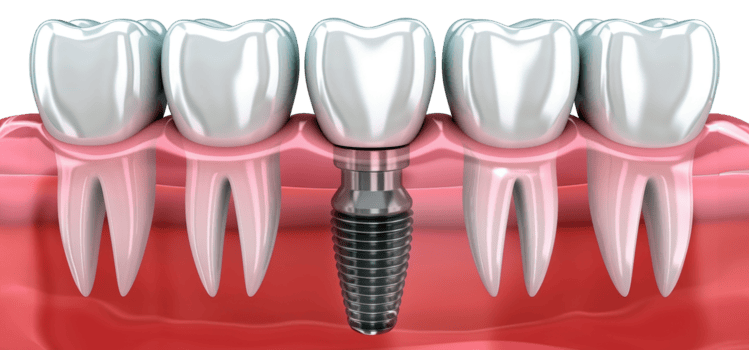
Strip away the clinical language and an implant is a titanium post placed into the jawbone where a tooth root used to be. That post fuses with the surrounding bone over a few months. Once stable, a custom-made crown is fitted on top.
The result is a tooth that looks, bites and feels like the one that was there before. You clean it the same way. You eat the same things. Nobody looking at you knows it’s there.
Three components make it work. The implant post goes into the bone. The abutment connects the post to the crown above the gum. The crown is what you see and use. All three are necessary. Together they function as a unit.
Why Implants Are Not Just the More Expensive Version of Other Options
Patients often ask this, and it’s a fair question. If a bridge or a denture fills the gap, why go through a more involved procedure?
The difference comes down to what happens below the gum line.
A bridge fills the visible gap by suspending a false tooth between two existing teeth. Those neighbouring teeth have to be permanently reshaped to act as anchors, which means two healthy teeth take damage to fix one gap. And nothing goes into the bone, so the bone in the gap area continues to shrink as if the tooth was never replaced.
Dentures are removable and work well for certain patients, particularly when many teeth need replacing at once. But they rest on the gum surface rather than integrating with the bone. They can slip. Eating becomes something you manage rather than something you don’t think about.
An implant post sits inside the jawbone and stimulates it the way a natural root does. That stimulation is what stops bone resorption from happening. It’s the reason missing teeth replacement via implants is considered a fundamentally different approach rather than just a more expensive version of the same thing.
Who Is Actually a Good Candidate?
Not everyone is. That’s the honest answer.
Adequate bone density is the main requirement. If a tooth has been missing for a long time, bone loss in that area may mean there isn’t enough structure to anchor the post without grafting first. This doesn’t rule implants out. It just adds a step.
Gum health matters. Active periodontal disease needs to be resolved before implant treatment can begin. Placing a post into infected tissue is setting the outcome up to fail.
General health factors in too. Uncontrolled diabetes, certain medications and smoking all affect how well the body heals from the surgical placement. Smoking in particular significantly raises the rate of implant failure by interfering with bone integration, and most dentists will raise this clearly during your consultation.
There’s no upper age limit. That’s a common misconception. Adults of any age in reasonable health with sufficient bone are candidates. The lower limit is the other direction, implants aren’t placed in patients whose jaws are still developing, which typically means anyone under the late teens depending on their individual growth.
The Steps, Explained Without the Jargon
The whole process takes longer than people expect. Not because each appointment is lengthy, but because bone doesn’t heal to a schedule.
The consultation. Your first appointment as an implant dentist Canberra patient involves a full examination, X-rays and usually a 3D scan called a CBCT. This maps the jawbone in precise detail, showing bone depth and width, where nerves and sinuses sit, and exactly where the implant can safely go. There’s no substitute for this step. You can’t estimate it from a visual check.
Bone grafting, if needed. Not everyone needs this. But if the bone scan shows resorption has left too little structure, grafting material is placed and given months to integrate before anything else happens. Skipping this when it’s needed means the implant fails. It’s not an upsell. It’s structural necessity.
Implant placement. Under local anaesthetic, sometimes with sedation for patients who want it, the post is placed into the jawbone and the gum is closed over it. Most patients say the anticipation is worse than the procedure. The soreness in the days after is the more noticeable part.
Osseointegration. The bone grows around the titanium post and bonds with it over roughly three to six months. Titanium has a specific property that makes bone fuse with it rather than reject it. This phase is what gives the implant its permanence. You live normally during this period with some dietary care while the site heals.
Abutment and crown. Once integration is confirmed, a small connector piece is attached to the top of the post. Impressions or digital scans are taken and your custom crown is made. When it comes back, it’s fitted, checked against your bite and secured. Done.
Myth vs Fact: “Implants Are Only for People Who’ve Lost Most of Their Teeth”
Myth: Dental implants are a solution for patients who are nearly fully edentulous.
Fact: Single-tooth replacement is one of the most common implant cases. Replacing one missing tooth early, before adjacent teeth drift into the gap and before bone loss progresses in that area, often leads to a simpler procedure and a better long-term outcome than waiting. The myth that implants are a drastic last resort for severe cases keeps people sitting with gaps longer than they need to.
How Long Do They Actually Last?
Clinical studies report implant success rates above 95% at ten years for suitable patients. Many implants function for 20 years or more. Some longer.
The crown on top may need replacing at some point, usually after ten to fifteen years depending on wear and bite forces. The post in the bone can potentially stay in place for life if the surrounding tissue stays healthy.
What shortens implant lifespan is almost always the same thing that damages natural teeth. Poor hygiene around the implant site leads to a condition called peri-implantitis, which is essentially gum disease around the implant. Grinding puts excessive force on the crown. Skipping check-ups means early problems go unnoticed. None of these are unique to implants, but they’re the variables that matter.
What About the Cost?
Direct question, direct answer. Dental implants involve multiple appointments, a surgical procedure, specialist-level skill, laboratory work and quality materials. They are not the cheapest option for missing teeth replacement.
Costs vary depending on case complexity, whether bone grafting is involved, which tooth is being replaced and what material the final crown uses. A single implant including post, abutment and crown represents a meaningful investment that’s different for every patient. The only accurate quote is the one that follows a proper scan and assessment of your specific situation.
AIHW data shows that 28% of Australians who needed to see a dentist in 2023-24 delayed or avoided going, with cost cited as a primary reason by around 1 in 5. If cost is the concern, the right conversation to have is with your dentist about payment options, not with a search engine. Payment plans often make the investment considerably more manageable when spread over time.
Medicare doesn’t cover implants for most patients. Private health insurance with major dental extras can contribute, though the amount varies by policy. Check your specific cover before assuming either way.
The $249 New Patient Offer at Vogue Family Dental includes a comprehensive examination, two X-rays and a personalised treatment plan, which is the right starting point for anyone considering implants. It gives you and your dentist the clinical picture before any treatment decisions are made.
What Actually Happens If You Leave It
This is the part people tend to skip reading. It shouldn’t be.
A gap doesn’t stay a gap. The teeth on either side of a missing tooth begin tilting toward the space over months and years. The tooth above or below it starts to over-erupt because there’s nothing to bite against anymore. The bite shifts. Jaw strain can follow.
Under the gum, the bone in the gap area starts shrinking. Without a root applying pressure through chewing, the body treats that bone as no longer needed and begins to resorb it. This is the process that, over time, changes facial structure, particularly in the lower jaw. It’s also why a patient who’s had a tooth missing for five years often needs bone grafting before an implant, while the same patient treated within the first year would not have.
Waiting makes the treatment more complex. That’s the short version.
Looking After an Implant Long-Term
Once the implant is in and healed, the care routine is the same as natural teeth. Brush twice daily including around the gum margin at the base of the crown. Floss around it. Use an interdental brush if your dentist recommends one for that area.
Attend your regular preventive dental care appointments. These matter more than some patients realise post-implant, because the surrounding bone and tissue need periodic monitoring on X-rays, not just a visual check of the crown surface.
If you grind your teeth, a nightguard is worth discussing with your dentist. Bruxism puts excessive force on implant crowns just as it does on natural enamel, and it’s one of the main controllable factors in how long the visible crown lasts.
1. Are dental implants painful to get?
2. How long does the whole implant process take from start to finish?
3. Can I get an implant if the tooth has been missing for a long time?
4. Is there an age limit for dental implants in Australia?
5. What is the success rate for dental implants?
6. Does private health insurance cover dental implants?
7. What is the difference between an implant and a dental bridge for one missing tooth?
8. Can one implant replace multiple missing teeth?
Conclusion
- Dental implants replace a missing tooth at root level, preserving jawbone density in a way no other replacement option achieves.
- AIHW data shows Australian adults aged 18 and over average 6.4 missing teeth, making this one of the most common unaddressed dental health issues in the country.
- The process typically takes three to six months for a straightforward case, longer when bone grafting is required first.
- Implant success rates exceed 95% at ten years in suitable patients with good ongoing oral hygiene.
- Leaving a missing tooth untreated causes progressive bone loss and shifting of adjacent teeth that makes future treatment more complex.
- A consultation with a scan is the only way to know whether implants are viable for your specific situation and what treatment would actually involve.
If you have been putting off dealing with a missing tooth, or you’re facing an extraction and want to understand your options before it happens, the team at Vogue Family Dental will give you a straight, honest answer about what’s right for your situation. Book the $249 New Patient Offer and get a full examination, X-rays and a personalised treatment plan. Not a brochure. An actual plan based on your actual teeth.